

Food and Beverage Trends for Hotels 2025
Experiential Dining

Travelers continue to seek memorable experiences, including drinking and dining. Experiential dining involves creating unique, memorable, and visually appealing food and beverages.

This can include everything from high tea (even boozy high teas) to themed dinners, cooking classes, local craft beer, local wine, farm-to-table menus, and elevated appetizers as meals.
As inflation persists, fewer people are spending at restaurants, but those who are have high expectations.
Travelers still value sustainability and local sourcing, and the demand for health-conscious, plant-forward fare continues to grow, as does the demand for non-alcoholic offerings.
Robotic food delivery and grab-and-go conveniences are also on the rise, and Gen Z, often driven by social media, still loves both healthy and indulgent options, from sea moss to bratwurst.
We have some suggestions to make your hotel’s food and beverage experience more memorable.

Local, Sustainable & Surprising

You don’t have to go all Benihana with leaping flames and scraping knives to add excitement to your customers’ dining experience. The basics still apply: fresh, high-quality food and drink, stellar service, and beautiful presentation remain essential.
But keep your eyes peeled for opportunities to elevate the experience, surprise, or educate your guests. Some suggestions to offer:
- Full Immersion Experiences: Pay close attention to lighting, decor, table settings, music, and scent to create a comfortable, inviting atmosphere. Try to make it unique to your hotel or location.
- Craft Cocktails and Non-Alcoholic Offerings: The demand for artisanal cocktails continues, complemented by local craft beers, natural wines, and non-alcoholic beverages (mocktails) that utilize sophisticated botanical or zero-proof spirits. Include specialty teas and kombuchas.
- Sustainable, Locally Sourced Ingredients and Practices: There’s a continued emphasis on ingredients that are ethically produced, environmentally friendly, and sourced from local farms and suppliers. Include transparent sourcing information for guests.
- Zero-waste Practices. Sustainability also includes upcycling food scraps, composting, and using biodegradable packaging.
- Global Flavors, Local Twist: While you celebrate locally sourced ingredients, explore global culinary influences by focusing on using local ingredients and adapting dishes to regional tastes, which can surprise and delight. Get creative. Non-Western culinary traditions and fusion are making a showing. (Ingredients like black tahini, salted egg yolks, black lime, chili crunch fusions, and yes, seamoss).
- Tell the Story: Highlight the unique stories behind your dishes, recipes, or local chefs, farms, brewers, and winemakers. Share these stories on websites, social media, and in-room information materials.
- Wellness and Mindful Eating: Menus will feature a greater emphasis on wellness, with dishes designed to be both healthy and flavorful, promoting overall well-being. Include functional foods and ingredients known for their health benefits.
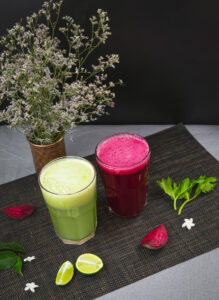
- Plant-Based and Health-Conscious Options: There’s a continued demand for vegetarian, vegan, and plant-forward dishes, as well as gluten-free, dairy-free, and other allergen-friendly options.
- Functional foods and beverages: More drinks and dishes tailored for gut health, immunity, and mental wellness. Consider adding probiotics, adaptogens, superfoods, super juices, and botanicals to your offerings.
- Health and Wellness vs. Indulgence: Gen Z is an interesting market. While very engaged with a wellness lifestyle, they also indulge in nostalgic comfort foods. Heavily influenced by TikTok and other social media, they seek foods with health benefits (such as sea moss) but also love nostalgic, often less-healthy comfort foods (bratwurst to Dunkaroos). They favor fusion flavors like ‘swalty’ – sweet and salty.
- Don’t forget Breakfast: Move beyond the traditional buffet. Hotels should offer more diverse, high-quality, and customizable breakfast options, including made-to-order stations, gourmet pastries, and a wider range of healthy juices, smoothies, and infusion teas.
Technology, Personalization & Convenience

- Technology Integration: Integrate technology for ordering (QR codes, in-app ordering), personalized recommendations, and even robotic food delivery in some establishments. If you haven’t already, integrate digital menus, mobile ordering, and contactless payments.
- Personalization and Customization: Guests will increasingly expect personalized food and beverage experiences, whether it’s through tailored menu suggestions, custom meal plans for wellness retreats, or bespoke drink creations.
- Mine Your Customer Data: Utilize guest history and preferences to personalize menus, recommendations, and even pairings.
- Grab-and-Go and Elevated Convenience: There will always be a need for high-quality, convenient food and beverage options for guests on the go, especially for business travelers or those with packed itineraries. All‑day cafés, kiosks, and vending machines for snacks and sandwiches can provide welcome flexibility.
- On a Budget: Many customers may be feeling the squeeze of continued price increases. Consider offering less expensive, higher-value options, such as casual experiential fare pop‑ups, etc.
- Incorporate Interactive Dining: Create chef’s tables for intimate group gatherings that feature chef interaction,
pop-ups, live stations, and cooking classes to make dining more participatory.
- Open Kitchens: Open kitchens involve guests in the culinary process, engaging all of the senses.
- On-Site Elements: Add organic elements such as on-site herb walls or small gardens to showcase your dedication to fresh hyper-local ingredients.
- Takeaway Items: Provide small, branded takeaway gifts, such as unique matchbooks, candles, or custom mugs, to extend the positive experience beyond their stay.
With an increased focus on intimate and interactive spaces, the fine-tuned use of technology for personalization and convenience, and some creative exploration of immersive dining and drinking experiences, hotels can delight and engage their loyal customers while attracting new ones.
References:
Luxury Resort News: Global Culinary and Beverage Trends
Hotel Management: 2025 Culinary, Cocktail Trends